Source Hot Rolled Car Door Hinge for Auto, Gate, and Furniture
Find 30 hot rolled car door hinge options for automotive, heavy-duty gate, and furniture applications. Compare specifications including material, size, and load capacity from verified suppliers to identify the right structural steel or zinc alloy solution for your project; compare the available evidence and request quotations based on your requirements.
Key considerations
Products List


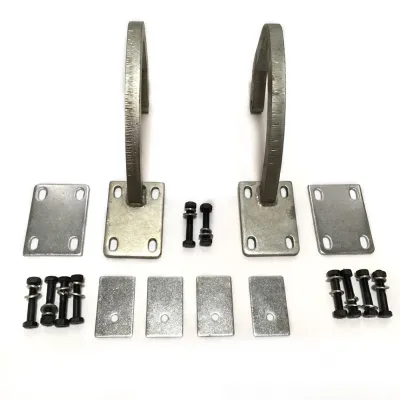

$1.00 - $60.00
Moq: 500


Comprehensive Sourcing Guide
Hot Rolled Car Door Hinge Sourcing Guide
Buyers must first distinguish between structural steel bars and finished hinge assemblies, as the market lists both under similar thermal processing tags. While hot-rolled techniques are standard for producing the base steel profiles, the final hinge product often requires additional surface treatments like galvanization to ensure durability in automotive environments. Sourcing teams should verify whether the listing refers to raw material for in-house fabrication or a complete OE-grade replacement unit, as the technical requirements and pricing models differ significantly between these two categories.
The observed product range includes specialized items such as heavy-duty gate hinge kits and concealed 180-degree hinges, indicating a diverse supply chain for various vehicle types. Procurement strategies must account for the specific alloy composition, which ranges from non-alloy steels to stainless steel and zinc alloy combinations depending on the intended load capacity. Buyers should prioritize listings that explicitly define the application, such as automobile door systems or heavy-duty gates, to avoid confusion between general structural steel and precision-engineered automotive components.
Product Scope and Observed Listing Signals
The market data reveals a wide price spectrum, ranging from $0.26 to $1600, which reflects the distinction between raw material inputs and finished, high-load capacity assemblies. This variance necessitates a clear definition of the required unit type before engaging suppliers, as a low-cost entry point may only cover raw steel bars rather than a fully machined hinge system. Buyers should scrutinize the product model descriptions to confirm if the item is a specific car door hinge profile or a generic structural component, ensuring the scope matches the engineering requirements of the target vehicle.
Minimum Order Quantities (MOQ) vary from 5 to 5000 units, suggesting that suppliers cater to both prototyping needs and large-scale production runs. Small batch orders may be feasible for custom designs, but high-volume procurement often requires negotiating bulk pricing and consolidated shipping terms. It is critical to align the MOQ with the projected demand to avoid excessive inventory costs, while also verifying if the supplier offers sample availability for quality validation before committing to larger production runs.
Technical Specifications to Verify
Dimensional accuracy is paramount, with observed specifications including sizes like 190x46x47mm and 160x28x32mm, which dictate the fitment for specific door thicknesses. Buyers must verify that the listed dimensions correspond to the actual door thickness requirements, such as 55mm or 36mm, to ensure proper installation without modification. The gap and angle specifications, particularly the 180-degree opening capability, must be confirmed against the vehicle's clearance constraints to prevent operational interference during the door's full range of motion.
Load-bearing capacity is another critical technical parameter, with some units rated for doors weighing up to 200kg while others support lighter loads around 80kg. The hinge material composition, whether zinc alloy, stainless steel, or a combination, directly influences the maximum weight the assembly can sustain over its lifecycle. Procurement teams should request detailed load charts and verify the door thickness compatibility to ensure the selected hinge will not fail under the expected operational stress of the specific vehicle model.
Compliance and Safety Documentation
Certification status is a key indicator of manufacturing reliability, with ISO 9001:Forging Tolerance:+/-0.2mm cited as a verified standard for precision control. Buyers should demand proof of this certification to ensure that the forging processes meet strict dimensional tolerances, which are essential for the smooth operation of automotive door mechanisms. While other standards like CE or EN1935 are mentioned in background data, the primary focus should remain on documented quality management systems that guarantee consistent product performance and safety.
Material standards such as AISI, ASTM, BS, DIN, GB, and JIS provide a framework for verifying the chemical and mechanical properties of the steel used. Sourcing teams must ensure that the supplied steel grades, such as S355JR or Q355B, align with the specific regulatory requirements of the destination market. Documentation should explicitly state the compliance of the raw materials with these international standards to mitigate the risk of using substandard alloys that could compromise the structural integrity of the vehicle door assembly.
Cost Drivers and Commercial Terms
Payment flexibility is a significant factor in the commercial landscape, with suppliers accepting methods ranging from T/T and Credit Cards to Western Union and ESC. Buyers should evaluate the security and convenience of these payment terms, particularly for international transactions where currency exchange and transfer fees can impact the total landed cost. Establishing a clear payment schedule that aligns with production milestones can help manage cash flow and reduce financial risk during the procurement cycle.
Packaging and logistics also influence the final cost, with options including steel wire bundling, iron wire packing, and white inner boxes with yellow-brown outer cartons. The choice of packaging must protect the hinges from corrosion and physical damage during transit, especially for long-distance shipping from China. Buyers should negotiate shipping terms that account for the weight and volume of the bundles, ensuring that the packaging method does not unnecessarily inflate freight charges or complicate customs clearance procedures.
Supplier Qualification and Quality Control
Origin verification is essential, as the majority of listed products originate from China, a major hub for steel manufacturing and automotive component production. Buyers should conduct due diligence on the specific manufacturing facilities to ensure they possess the necessary equipment for hot-rolling and galvanizing processes. Understanding the supplier's location and logistical capabilities helps in estimating lead times and assessing the reliability of the supply chain for timely delivery of critical automotive parts.
Quality control measures should include visual inspections and dimensional checks against the specified tolerances, such as the +/-0.2mm forging tolerance. Suppliers must demonstrate a robust process for maintaining consistency across batches, particularly for high-strength steel plates and wear-resistant applications. Buyers should request sample units for independent testing to validate the surface finish, material hardness, and overall durability before approving a full production order.
Long-Term Procurement Checks
Sustainability and supply chain resilience are critical for maintaining a steady flow of automotive components over the long term. Buyers should assess the supplier's ability to scale production in response to fluctuating market demands without compromising quality or delivery schedules. Establishing a partnership based on transparent communication and shared quality standards ensures that the supply chain remains robust against potential disruptions in raw material availability or logistics.
Continuous performance monitoring is necessary to ensure that the hinges continue to meet the required specifications for door weight and thickness over time. Regular audits and feedback loops with the supplier can help identify any deviations in product quality or process efficiency early in the relationship. By maintaining a proactive approach to supplier management, buyers can secure a reliable source of high-quality hot-rolled car door hinges that support the long-term operational needs of their vehicle manufacturing or aftermarket operations.
FAQs
What materials are used for hot rolled car door hinges?
Hot rolled car door hinges are typically constructed from stainless steel, zinc alloy, or aluminum alloy. These materials provide the necessary durability and corrosion resistance for automotive applications. Some heavy-duty variants may also incorporate wear-resistant steel to ensure long-term performance under frequent use and varying environmental conditions.
Can hot rolled car door hinges support heavy doors?
Yes, specific models like the SG-HC2D46190SS-200 are designed to support doors weighing between 120 and 200 kg. These heavy-duty hinges feature a 180-degree opening angle and robust construction. They are suitable for applications requiring significant load-bearing capacity while maintaining smooth operation and structural integrity over time.
What standards do hot rolled car door hinge suppliers follow?
Manufacturers often adhere to international standards such as AISI, ASTM, BS, DIN, GB, and JIS. These standards ensure consistent quality and compatibility for structural steel bars and automotive components. Compliance with these guidelines helps buyers verify that the hinges meet specific mechanical and dimensional requirements for their intended vehicle or gate applications.
How are hot rolled car door hinges packaged for shipping?
Packaging methods vary by product type. Steel wire bars are often packed neatly with iron wire or strapped to bundles. Finished hinges may be placed in white inner boxes and yellow-brown outer cartons. This ensures protection during transit and prevents damage to the surface finish, whether galvanized or raw, before delivery to the buyer.
What customization options are available for hot rolled car door hinges?
Customization is available for many hinge models, allowing buyers to specify dimensions, materials, and surface treatments. Suppliers can adjust sizes to fit specific door thicknesses, such as 30mm, 36mm, or 55mm. Buyers can also request specific packaging or surface finishes like galvanized coatings to meet their unique project requirements and aesthetic preferences.
What is the typical lead time for hot rolled car door hinges?
Lead times depend on order volume and customization requirements. Standard items may ship quickly, while custom orders require production time. Buyers should confirm specific lead times with suppliers based on their MOQ and specifications. Factors like material availability and surface treatment processes can also influence the final delivery schedule for bulk orders.